An HOA landscaping violation letter almost always comes with two things: a list of what’s wrong, and a deadline. That deadline is your cure window, usually 10 to 30 days, and once it closes the board can start charging fines that stack up fast. The good news is most of what triggers these letters, an overgrown lawn, dead grass, weeds in the beds, hedges past the fence line, is fixable in a single crew visit. The clock matters more than the work.

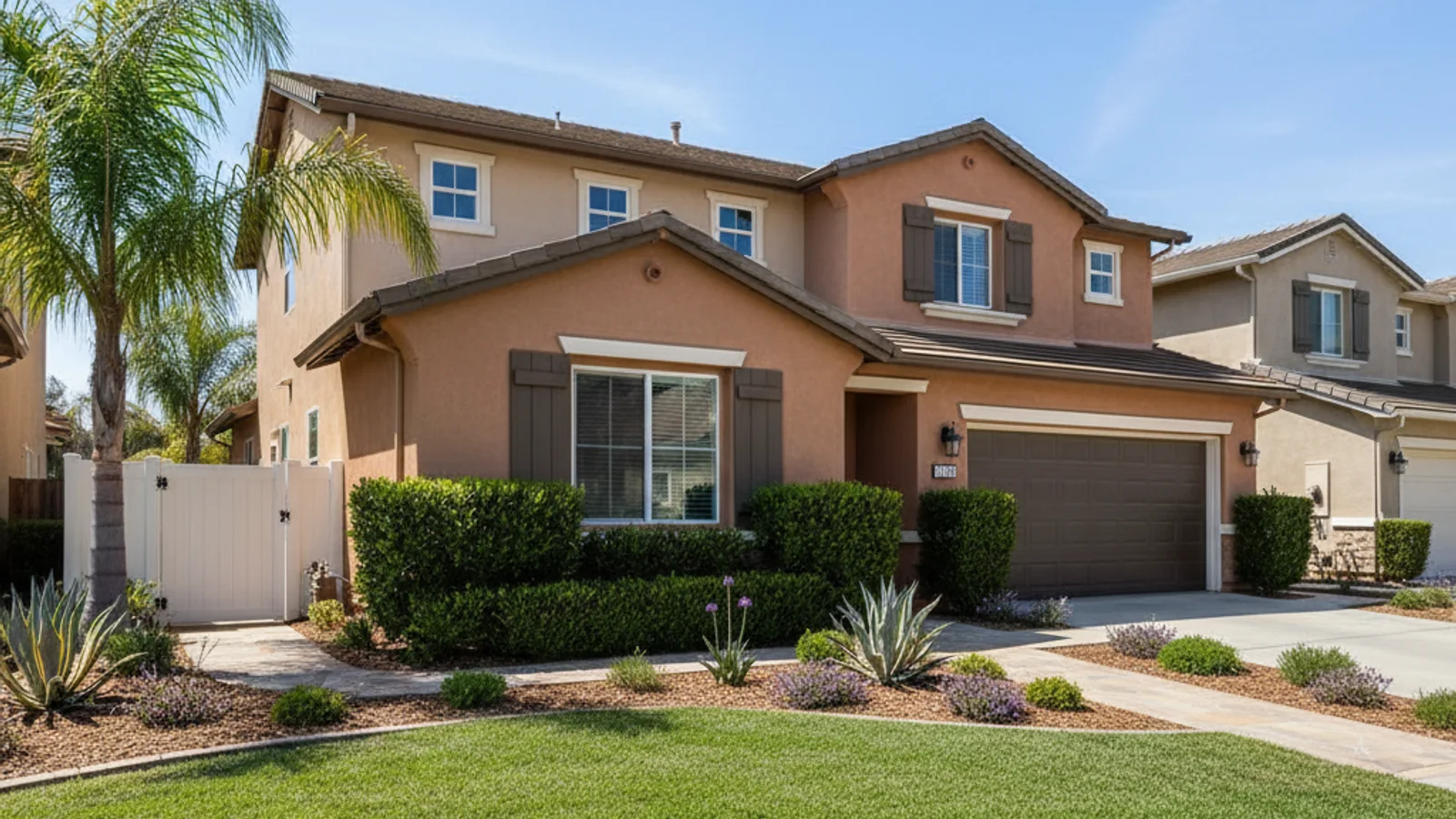
Freshly cleaned-up, HOA-compliant San Diego front yard with trimmed hedges, edged lawn, and tidy planter beds

The violations San Diego HOAs cite most

We’ve cleaned up yards under notice all over the county, from Eastlake and Otay Ranch to Carmel Valley, Santaluz, and the master-planned tracts in Carlsbad and San Marcos. The complaints repeat. Boards tend to flag the same handful of things:

  • Overgrown or unmowed lawn. Grass over a few inches, ragged edges along the sidewalk and driveway, or a parkway strip that’s gone wild.
  • Dead or brown lawn. This one spikes in summer and during water cutbacks. A lawn that’s gone tan or patchy reads as neglect to a board, even when it’s just heat stress.
  • Weeds in beds and cracks. Wild mustard, crabgrass, and spurge pushing up through planter beds, gravel, and sidewalk joints.
  • Untrimmed hedges and shrubs. Hedges spilling over the fence, shrubs blocking windows or the address, or anything growing into a neighbor’s space or a walkway.
  • Dead plants and bare spots. A dead shrub, a brown hedge section, or empty patches where something died and was never replaced.
  • Visible debris. Dead palm fronds, fallen branches, leaf piles, green-waste bags left at the curb, or yard tools stored in view.

Most letters list two or three of these at once. The lawn and the weeds usually travel together.

How the cure window works and what happens if you miss it

The cure window is the period the HOA gives you to fix the problem before it escalates. In most San Diego associations that’s 10, 14, or 30 days from the date on the letter, not the date you opened it. Read the notice closely, because the deadline and the exact items cited are what you’re being held to.

Under California’s Davis-Stirling Act, the law that governs HOAs here, the association generally has to give you written notice and a chance to be heard before it can fine you. But that protection runs out when the cure window closes. Miss it and the path usually looks like this:

  • A fine, often $25 to $100 for a first offense, then larger or repeating fines for each period the problem stays.
  • A second notice and a hearing in front of the board.
  • In stubborn cases, the HOA hiring its own landscaper to do the work and billing you, sometimes at a marked-up rate.
  • A lien on the property if the charges go unpaid long enough.

The cheapest version of this is the one where you fix it inside the window. Fines and forced compliance are always more expensive than just doing the work.

If you can’t physically finish in time, call your HOA management company and tell them work is scheduled and on what date. Many boards will hold off on fines once a job is booked. A dated quote from a crew helps that conversation.

What a crew does to bring a yard back into compliance fast

A compliance cleanup isn’t subtle. The goal is to knock out every item on the letter in one pass so the yard photographs clean for the re-inspection. A typical visit covers:

  • Mow, edge, and string-trim the lawn and parkway so lines are sharp along every hard edge.
  • Pull and cut weeds from beds, gravel, and sidewalk cracks, often with a pre-emergent so they don’t bounce right back.
  • Shape hedges and shrubs back inside property lines and off windows, walkways, and the fence.
  • Remove dead plants and either replace them or clean up the bare spot so it reads intentional.
  • Haul all debris to a green-waste facility. Nothing left at the curb, which is its own violation in most associations.

For a dead or brown lawn, the fix depends on cause. Heat-stressed turf can often be revived with corrected watering, a feeding, and overseeding. A lawn that’s fully gone may need resodding, or it’s the moment to consider a low-water conversion instead. Either way, the cleanup work is the backbone of our seasonal cleanup service, which is built for exactly this kind of all-at-once reset.

Violation, fix, and typical timeline

ViolationWhat we doTypical timeline
Overgrown lawnMow, edge, trim, haulSame visit
Weeds in beds and cracksPull, cut, pre-emergentSame visit
Untrimmed hedgesShape back inside linesSame visit
Dead or brown lawnRevive and overseed, or resodSame visit to 2 to 3 weeks
Dead plants and debrisRemove, replace, haulSame visit

Drought-tolerant conversions and your HOA’s limits

Here’s where a lot of San Diego homeowners get stuck: the HOA cited a brown lawn, but you don’t want to keep pouring water into grass. You have more room than your association may let on.

California law protects your right to low-water landscaping. Civil Code Section 4735 bars an HOA from prohibiting low-water-using plants or fining you for a brown lawn during a declared drought or state water-shortage emergency. On top of that, AB 1164 and related code keep associations from banning drought-tolerant landscaping outright. An HOA can set reasonable design standards, things like keeping it neat and using approved plant types, but it can’t force you to maintain a thirsty lawn when water-friendly options exist.

So a violation letter can be the push to convert rather than just patch. Many SD water agencies still offer turf-replacement rebates, which can offset the cost. We covered the numbers in our breakdown of drought-tolerant landscaping costs and rebates, and a clean conversion tends to lift curb appeal and resale value at the same time. The catch: submit your plan to the HOA’s architectural committee first if your CC&Rs require it. Approval on paper keeps you out of a second fight later.

What a compliance fix costs

Most compliance cleanups are priced by crew-hours plus disposal, the same as any one-time yard reset. In San Diego that runs roughly $70 to $95 per hour per crew member.

For a typical front-and-back lot with an overgrown lawn, weedy beds, and a few hedges to shape, a two-person crew often finishes in half a day, landing the bill somewhere around $300 to $700. Heavily neglected yards, large lots, or jobs that need resodding or a haul-heavy debris cleanout run higher. Replacing dead plants adds material cost on top of labor.

It’s almost always less than letting the fines run. A few hundred dollars now beats stacked penalties plus the HOA’s own marked-up landscaper later. To keep the letter from coming back, a regular lawn maintenance plan and ongoing weed control handle the two things boards cite most, before they ever become a notice.

How fast Bloom Pro SD can respond

We treat HOA letters as time-sensitive, because they are. When you call with a cure deadline, we work to get out for a look quickly and schedule the cleanup inside your window. Tell us the deadline and read us the cited items, and we’ll match the work to the letter so the re-inspection passes the first time. If you’re worried the date is tight, book the job and let your management company know it’s scheduled. That alone often buys breathing room.

FAQ

How long do I have to fix an HOA landscaping violation? It depends on your association, but most San Diego HOAs give a cure window of 10 to 30 days from the date on the letter. The notice will state the exact deadline and the specific items you have to address. Read it carefully and count from the letter date, not the day you opened it.

Can my HOA fine me for a brown or dead lawn during a drought? No. California Civil Code Section 4735 bars an HOA from fining you for letting a lawn go brown during a declared drought or water-shortage emergency. The same law protects your right to install low-water plants. The HOA can still require the yard look neat and intentional.

Can I switch to drought-tolerant landscaping instead of replacing the grass? Yes. State law keeps your HOA from banning drought-tolerant landscaping, though it can set reasonable design standards. If your CC&Rs require it, submit your plan to the architectural committee first. A violation letter is often a good moment to convert and chase a turf-rebate at the same time.

What if I can’t get the work done before the deadline? Call your HOA management company and tell them the work is scheduled, and on what date. Many boards hold off on fines once a job is booked. A dated quote from a crew makes that conversation easier and shows you’re acting in good faith.

When to call us

If you’ve got an HOA letter with a deadline, the fastest way out is one thorough cleanup that clears every item before the window closes. We’ll match the work to exactly what the board cited, haul everything off, and leave the yard looking like it was never a problem.

Call us at (760) 400-6355 for a fast compliance cleanup quote. Tell us your deadline and we’ll work to beat it.