Your San Diego lawn is a vibrant part of your home’s curb appeal, but a sudden appearance of brown patches or thinning grass can be alarming. When these issues arise, it often means something more than just dry weather is at play. Understanding what pests commonly afflict Southern California lawns is the first step to restoring your yard’s health and beauty.
Many homeowners jump to conclusions about watering or fertilization when they see lawn damage. However, pests are a frequent cause of distress for San Diego lawns. From tiny insects to burrowing mammals, these invaders can quickly turn a lush green landscape into an eyesore. Knowing how to identify the specific culprit is crucial for effective treatment. We’ll walk you through the most common pests and their tell-tale signs, so you can take the right steps toward recovery.
Identifying grub damage: are they the culprit?
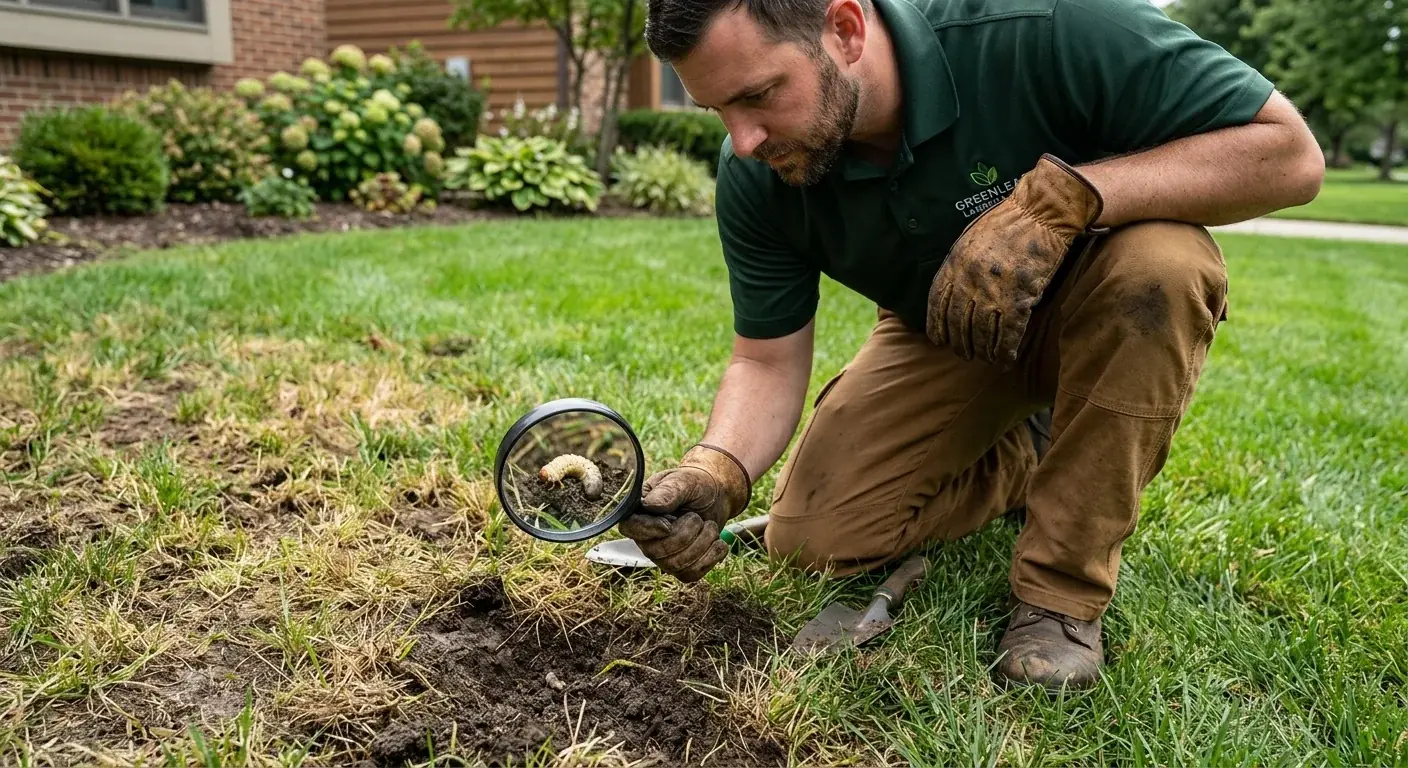
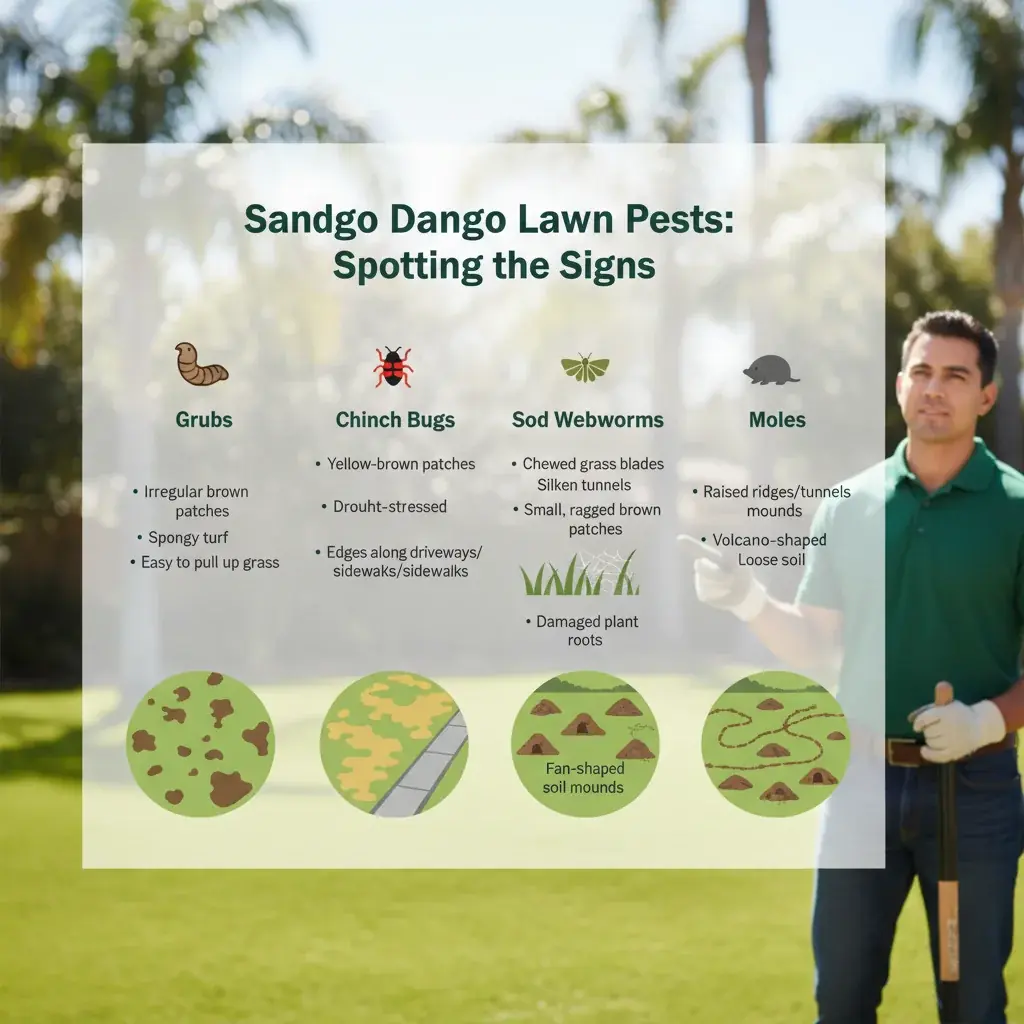
Grubs are C-shaped, creamy-white beetle larvae that feed on grass roots. Several beetle species produce grubs. Do not assume Japanese beetle is the San Diego source without an ID. Damage looks like irregular brown patches that lift like a rug because roots are gone.
You’ll typically notice grub damage as irregular brown patches that appear in late summer or early fall. These patches often feel spongy underfoot, and the turf might lift easily, almost like a piece of carpet. This happens because the grubs have severed the root system. Another strong indicator is increased activity from birds, raccoons, or skunks, who love to dig up lawns to feast on grubs. The crews we match you with handle the lawn-recovery side, reseeding and repairing the damaged turf; for a heavy or recurring grub infestation that needs a treatment program, a pest control company like Pest Pros San Diego can knock down the population first.
To confirm, peel back damaged turf and look for white, C-shaped larvae under the sod. Treatment, if needed, follows UC IPM and a labeled product after identification. Bloom Pro SD matches you with landscapers for turf recovery. Chemical programs belong to a pest licensee when the label requires it.
Signs of chinch bugs in St. Augustine and Bermuda grass
Chinch bugs are tiny insects that can cause significant damage, especially to St. Augustine and Bermuda grass, which are popular choices for San Diego lawns. These pests are very small, about 1/5 of an inch long, with black bodies and white wings. They damage grass by sucking out plant fluids from the blades and injecting a toxic saliva that blocks water movement.
The signs of chinch bug damage often appear as irregular yellow or brown patches in your lawn. These patches commonly start in hot, sunny areas, especially near concrete driveways or sidewalks where heat is reflected. Unlike drought stress, chinch bug damage doesn’t improve with increased watering. The grass blades will often look dry and shriveled.
To confirm chinch bugs, part the grass at the edge of a damaged area and look closely at the soil surface and grass crowns. You might see the adult black-and-white bugs or smaller, reddish nymphs. A simple test involves cutting both ends off a coffee can or similar cylinder, pushing it into the soil in an affected area, and filling it with water. Chinch bugs will often float to the surface within a few minutes. Treatment usually involves targeted insecticides. A healthy watering schedule and reducing thick thatch can help prevent infestations.
How to spot and treat for sod webworms
Sod webworms are the larvae of small, tan moths that flutter erratically over lawns at dusk. While the moths themselves don’t harm your lawn, their offspring can cause considerable damage. The larvae are small, greenish-brown caterpillars that feed on grass blades near the soil surface.
The initial signs of sod webworm damage are small, irregular brown patches that gradually expand. The grass blades in affected areas often have a ragged, chewed appearance. You might also notice silky tunnels or webs at the base of the grass plants, especially early in the morning. Another indicator is the presence of the small moths flying low over your lawn in the evenings, which suggests an active infestation or that one is imminent.
To confirm sod webworms, mix a few tablespoons of dish soap into a gallon of water and pour it over a small, affected area (about 2 square feet). The caterpillars will typically wriggle to the surface within 5-10 minutes if present. Sod webworms can have multiple generations in San Diego’s warm climate, making them a recurring problem from late spring through fall. Treatment includes applying insecticides specifically designed for caterpillars. Beneficial nematodes are also an eco-friendly option for controlling these pests.
Gophers and moles: telling the tunnels apart
While not insects, gophers and moles are significant subterranean pests that can wreak havoc on San Diego lawns. Homeowners often confuse their damage, but there are distinct differences in their activity and the mounds they create. Understanding these distinctions is key to effective control.
Gophers are herbivores; they eat plant roots, bulbs, and sometimes even pull entire plants underground. Their tell-tale sign is a fan-shaped or crescent-shaped mound of fresh soil. These mounds typically have a plugged tunnel entrance on one side, as gophers actively seal their tunnels. Gopher damage often includes wilting or dying plants, as their root systems are severed. You might see trenches or tunnels just beneath the surface, especially when they’re foraging for food.
Moles, on the other hand, are insectivores. They primarily feed on grubs, earthworms, and other soil insects. While they don’t eat plants, their extensive tunneling can indirectly damage roots, causing grass to lift and dry out. Mole mounds are more circular or volcano-shaped, often with a central opening that isn’t plugged. They also create raised ridges or surface runways as they push through the soil searching for food.
For both gophers and moles, trapping is a common and effective control method. Baits can also be used, though they require careful placement to ensure safety for pets and other wildlife. Professional pest control is often the most reliable solution for persistent gopher and mole problems.
When to call a professional for lawn pest control
Identifying and treating lawn pests can be a complex process. Sometimes, despite your best efforts, the problem persists or worsens. This is when calling a professional for lawn insect control in San Diego becomes essential. Professionals bring specialized knowledge, experience, and tools to accurately diagnose the problem and implement targeted solutions.
One of the biggest advantages of professional pest control is their ability to identify the exact pest. Misdiagnosis can lead to ineffective treatments and wasted time and money. Experts can also assess the extent of the infestation and recommend an Integrated Pest Management (IPM) approach. This holistic strategy combines cultural practices, biological controls, and precisely applied treatments to achieve long-term control with minimal environmental impact.
If you’re struggling with persistent brown patches or unusual lawn deterioration, the independent professionals we match can quote lawn recovery. Pest control is a separate licensed trade. Bloom Pro SD does not apply pesticides. See lawn fertilization for nutrient work after the cause is identified.
Creating a healthy lawn that’s more resistant to pests
The best defense against lawn pests in San Diego is a healthy, vigorous lawn. A strong turf stand can naturally fend off minor infestations and recover more quickly from damage. Implementing good lawn care practices makes your lawn less attractive to pests and more resilient.
Proper watering is fundamental. Deep, infrequent watering encourages a strong, deep root system, making your grass more tolerant to stress and less susceptible to certain pests like chinch bugs. Learn more about water-wise practices from the San Diego County Water Authority to conserve water while maintaining a healthy lawn. Overwatering can lead to fungal issues and attract pests that thrive in moist conditions.
Balanced fertilization provides your lawn with the nutrients it needs to grow strong and resist pests. A soil test can determine specific nutrient deficiencies. Our lawn fertilization & care page covers what a matched independent professional quotes for nutrient work. This page does not promise a nutrient result. Regularly mowing your lawn at the appropriate height (usually 2-3 inches for most San Diego grasses) also contributes to its overall strength. Taller grass shades the soil, reducing weed growth and conserving moisture.
Finally, addressing underlying issues like soil compaction through aeration and removing excessive thatch can significantly improve lawn health. These practices allow water, nutrients, and air to reach the roots more effectively. If you’re seeing concerning symptoms, we have another helpful resource on identifying the causes of brown patches in San Diego lawns. By combining these practices, you can create a vibrant, pest-resistant landscape that enhances your San Diego home for years to come.
Frequently asked questions
How do I know if grubs are eating my lawn?
The turf feels spongy and lifts like a rug, because the roots holding it down have been eaten. Grubs are plump, C-shaped beetle larvae living in the soil, and the damage typically shows up in late summer or early fall as irregular dying patches. If you can roll the turf back by hand, you have your answer.
What do chinch bugs look like in San Diego lawns?
You will see the damage before the insect. Chinch bugs are tiny and hard to spot, but they inject a toxin while feeding that turns grass yellow, then reddish-brown, then dead. They favour warm-season grasses like St. Augustine and Zoysia, and the damage often starts in the hottest, sunniest part of the lawn.
How do I tell gopher tunnels from mole tunnels?
By what they leave on the surface. Gophers push out fan-shaped or crescent mounds with a plugged hole off to one side, and they eat roots and plants. Moles leave volcano-shaped mounds and raised surface ridges where they tunnel, and they eat insects rather than plants. The control approach differs, so the identification matters.
How do I make a lawn more resistant to pests?
Fix the stress first. Pests concentrate in lawns already weakened by poor irrigation coverage, compaction, wrong mowing height or thatch buildup. A correctly watered lawn cut at the right height for its grass type, with thatch kept under half an inch, resists infestation far better than one being treated repeatedly while the underlying condition persists.
When to call us
Dealing with persistent lawn pests can be frustrating. If you’ve tried common solutions without success, or if the damage to your San Diego lawn is severe, call to get matched. The independent professional quotes lawn recovery. Pest identification and pesticide application, if needed, belong to a licensed pest-control operator, not Bloom Pro SD. Call us at (760) 400-6355 to get matched. The independent professional quotes the work.