Bringing a lush, green lawn to life starts with choosing the right timing for sod installation. In San Diego’s distinct climate, this decision can significantly impact how well your new turf establishes and thrives. Getting the timing right means less stress for your new lawn and a faster path to enjoying your beautiful outdoor space.

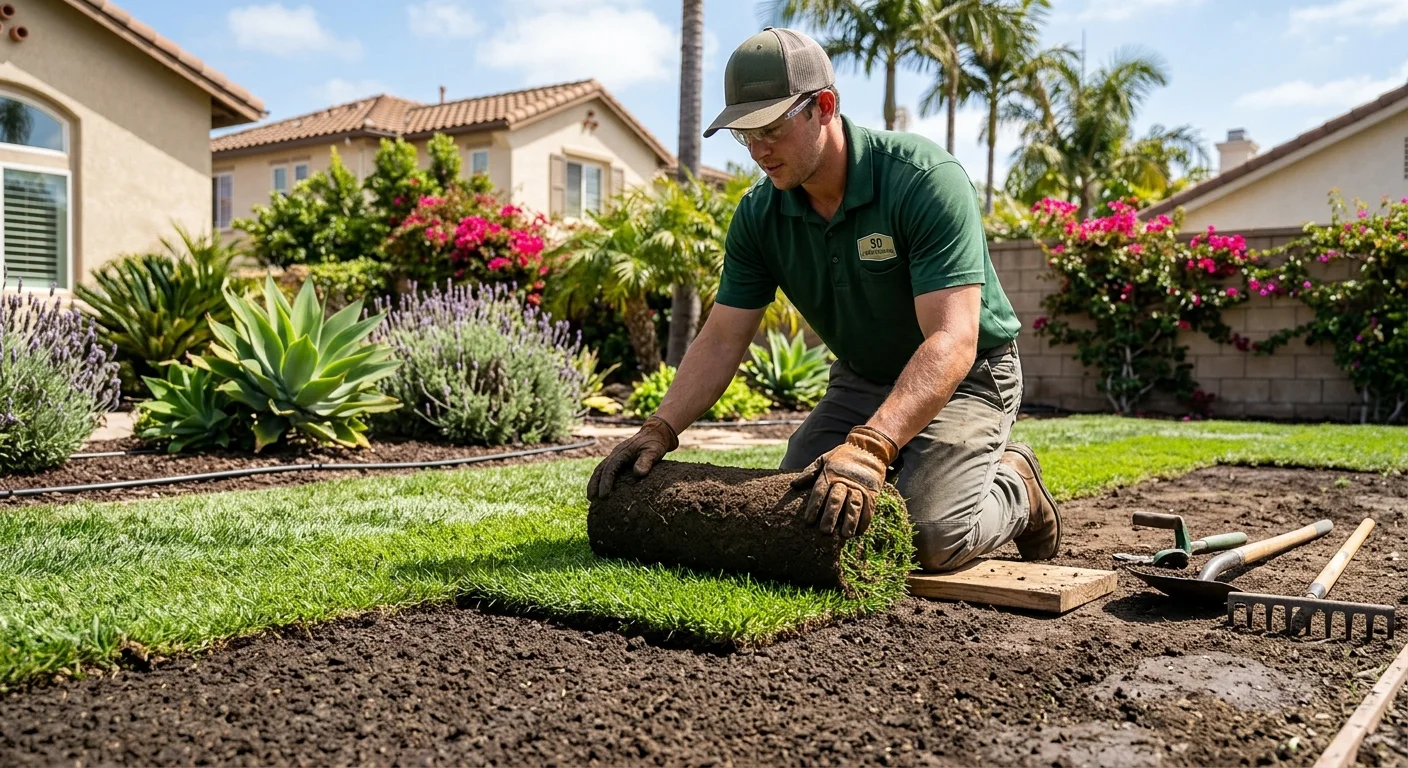
A landscaper carefully rolling out a fresh piece of green sod onto prepared soil

The ideal seasons for laying sod in our climate

San Diego’s mild, Mediterranean climate offers a longer window for successful sod installation compared to many other regions, but some seasons are definitely better than others. For optimal results, we generally recommend laying sod during the fall or spring. These periods provide the most favorable conditions for new grass to establish strong roots without enduring extreme weather stress.

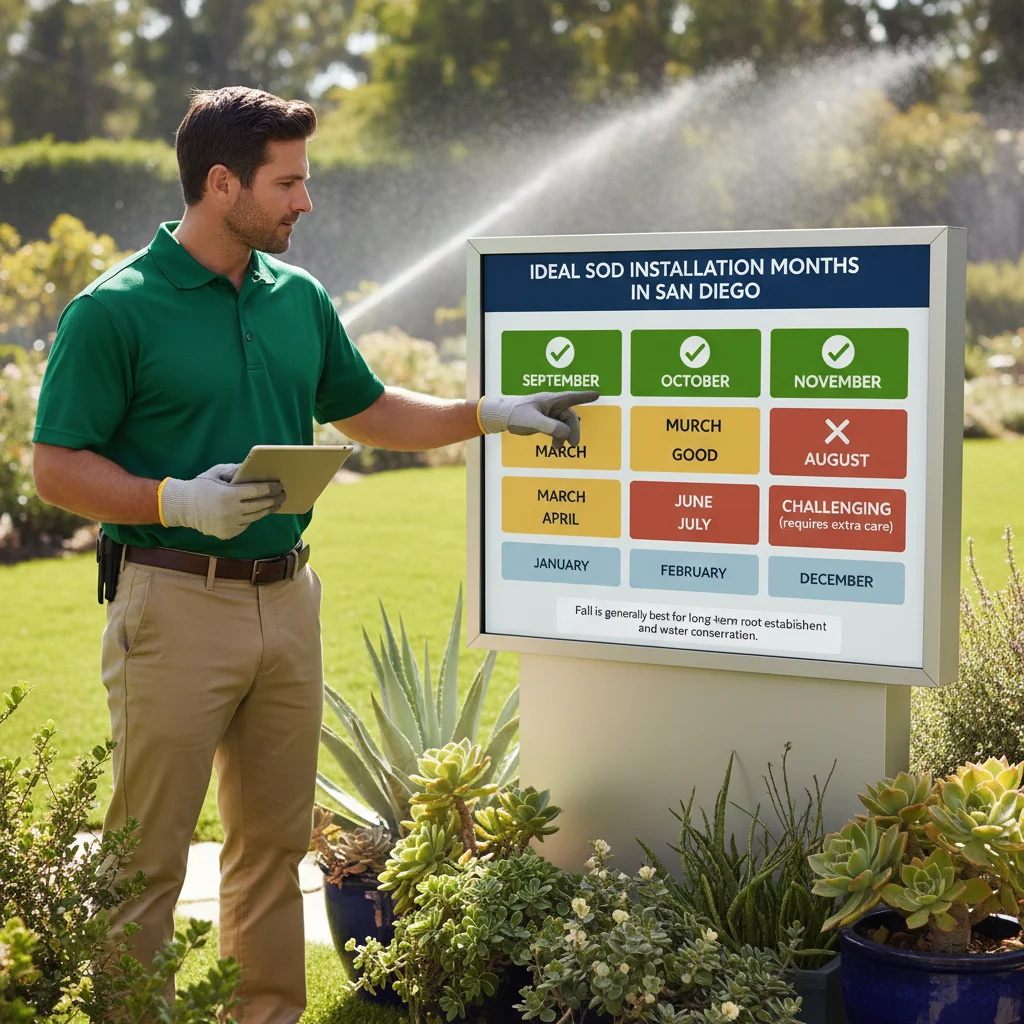
Fall, specifically from late September through November, often stands out as the prime season in San Diego County. During these months, the intense summer heat begins to recede, but the soil retains a comfortable warmth from the preceding summer. This combination of cooler air temperatures and warm soil creates an ideal environment for roots to grow deeply and firmly before the cooler winter months arrive. Additionally, fall usually brings more consistent, gentle rainfall, which helps reduce the need for constant supplemental irrigation. This natural moisture helps the sod settle in, requiring less manual watering from you.

Spring, typically from March to May, is another excellent choice. As temperatures begin to rise, the new sod gets a good head start on growth. The warming soil encourages root development, and there’s ample sunshine for photosynthesis. However, spring sod can face more competition from weeds as everything in the garden starts to green up. It also means your new lawn will have to endure the full San Diego summer heat soon after installation, requiring vigilant watering to prevent stress. While both seasons are suitable, fall often offers a slightly less stressful and more forgiving window for establishing a healthy, vibrant lawn in our specific climate.

Pros and cons of spring vs. fall sod installation

Deciding between spring and fall for your sod installation involves weighing a few key factors unique to San Diego’s environment. Each season presents distinct advantages and challenges that can influence the success and initial care requirements for your new lawn.

Fall Sod Installation (Late September – November)

  • Pros:
    • Optimal Root Establishment: Cooler air temperatures combined with warm soil create perfect conditions for roots to grow deep and strong without forcing rapid top growth. This leads to a more resilient lawn.
    • Reduced Water Stress: Lower temperatures and often more consistent natural rainfall mean less evaporation and less need for intensive, daily irrigation. This can save you time and water, which is a significant consideration in San Diego.
    • Less Weed Competition: Many common weeds are less active in the fall, giving your new sod a better chance to establish without aggressive competition.
    • Consistent Temperatures: San Diego’s fall typically brings stable, moderate temperatures, reducing the risk of sudden heat waves or cold snaps that can stress new sod.
  • Cons:
    • Slower Top Growth: While roots are thriving, the visible growth of the grass blades will be slower, meaning it might take a bit longer for your lawn to look fully lush.
    • Shorter Days: Less daylight can slightly slow overall growth compared to spring, but it’s still more than sufficient for establishment.

Spring Sod Installation (March – May)

  • Pros:
    • Rapid Green-Up: Warming temperatures and increasing daylight promote quick top growth, so your lawn looks established and vibrant sooner.
    • Good Head Start for Summer: Installing sod in spring allows it to establish before the peak summer heat arrives, making it somewhat more resilient to the challenges ahead.
  • Cons:
    • Higher Water Demand: As temperatures rise, new sod needs very consistent watering to prevent drying out, which can be a daily commitment. This also means higher water bills right from the start.
    • Increased Weed Competition: Spring is a prime growing season for many weeds, which can compete with your new sod for water and nutrients, potentially requiring more proactive weed control.
    • Risk of Early Heat Waves: While generally mild, San Diego can experience early heat waves in late spring, which can severely stress newly laid sod.
    • More Aggressive Mowing: Faster top growth means you’ll need to start mowing sooner and more frequently.

While both seasons are viable, fall typically offers a more forgiving and ultimately beneficial environment for the long-term health and vitality of your San Diego lawn.

Why summer sod installation is possible but requires more care

Even with the challenges, sometimes summer is the only window available for a landscaping project. Perhaps you’ve just moved into a new home, or unexpected renovations have opened up the opportunity. The good news is that installing sod in San Diego during the summer months (June – August) is absolutely possible, but it comes with a significantly higher demand for immediate and ongoing care.

The primary hurdle in summer is the intense heat and sun. San Diego summers, even near the coast, can feature daytime temperatures well into the 80s or 90s, especially further inland. This heat rapidly dries out both the new sod and the underlying soil, making constant moisture critical. New sod needs moisture to knit its roots into the prepared soil, and if it dries out, it will quickly turn brown and die. This means you’ll need to commit to a rigorous watering schedule, often several times a day for the first couple of weeks. This frequent watering can lead to significantly higher water consumption and increased water bills, which is an important consideration with San Diego’s water rates.

Another challenge is heat stress. Even with diligent watering, extreme temperatures can still stress the grass, diverting energy away from root development towards mere survival. This can slow the establishment process and make the sod more vulnerable to disease or pests. If you choose to install sod in summer, selecting heat-tolerant grass types like certain Bermuda grass varieties or St. Augustine grass is crucial. You can learn more about suitable options in our guide on the best grass types for San Diego lawns.

Professional installation truly shines during summer projects. Experienced landscapers, like those at Bloom Pro SD, understand how to mitigate these risks. We ensure proper soil preparation to maximize moisture retention, correctly lay the sod to minimize exposure, and set up precise irrigation schedules tailored to the immediate needs of your new lawn. Our expertise in sod installation means we can navigate the hotter months more effectively, giving your summer-installed lawn the best possible start and significantly increasing its chances of success.

A calendar graphic with checkmarks on September and October, highlighting them as the ideal months for sod installation.

How to prepare your soil for new sod, month by month

Regardless of the season you choose for your sod installation, proper soil preparation is the unsung hero of a successful lawn. This foundational work directly impacts how well your sod roots, its long-term health, and its ability to withstand San Diego’s climate. Think of it as creating the perfect home for your new grass. While the steps themselves aren’t month-specific, you can undertake them in the weeks or months leading up to your planned installation.

1. Clear the Area Thoroughly: This is your starting point. Remove all existing weeds, old grass, rocks, roots, and any other debris. For existing lawns, this might involve using a sod cutter, herbicide, or manual removal. Ensure the ground is completely clear and relatively smooth before proceeding.

2. Test Your Soil: This step is non-negotiable for success in San Diego. A professional soil test will reveal crucial information about your soil’s pH level, nutrient deficiencies, and composition. Our local soils can vary wildly, from heavy clay to sandy loam. Understanding your soil’s unique profile allows for targeted amendments. You can get test kits from local nurseries or agricultural extension offices.

3. Amend and Improve the Soil: Based on your soil test results, you’ll know what amendments are needed. For most San Diego soils, incorporating organic matter like high-quality compost is highly beneficial. Compost improves drainage in clay soils, enhances water retention in sandy soils, and provides a slow release of essential nutrients. Spread a 2-4 inch layer of compost over the entire area and till it into the top 4-6 inches of soil. This creates a rich, loose bed for roots to penetrate.

4. Grade for Proper Drainage: Before laying sod, ensure the area is properly graded. This means creating a slight slope away from your home or other structures to prevent water pooling and direct excess water towards designated drainage areas. A smooth, even surface is also critical for a level, professional-looking lawn. Use a rake to achieve this, making sure there are no dips or high spots.

5. Install or Verify Irrigation: A reliable irrigation system is paramount for new sod. It’s much easier to install or upgrade sprinklers before the sod is laid. Ensure complete and even coverage across the entire area. Consider a smart irrigation controller to optimize water use, especially important in San Diego. You can check resources from the San Diego County Water Authority (https://www.sdcwa.org/) for tips on efficient watering.

6. Final Leveling and Rolling: Just before your sod arrives, give the prepared soil a final rake and light roll to create a perfectly smooth, firm surface. This ensures good contact between the sod and the soil beneath, promoting faster rooting. The ground should be firm enough that you don’t sink into it when walking.

Taking the time for these preparation steps is an investment that pays off with a healthier, more beautiful lawn for years to come.

What to expect during the first few weeks after installation

The period immediately following sod installation is the most critical for your new lawn’s long-term health. Think of it as the intensive care unit phase. Your primary goal is to encourage those new sod roots to knit firmly into the underlying soil.

Immediate Watering is Key: The moment your sod is down, begin watering. For the first 7-14 days, the sod needs to stay consistently moist, but not waterlogged. This often means watering multiple times a day for short durations, especially if it’s warm. The goal is to keep the sod damp and cool, promoting root growth into the soil beneath. You should be able to lift a corner of the sod and see moisture on the soil below. If it’s drying out, increase watering frequency.

Checking for Rooting: After about a week to ten days, you can gently try to lift a corner of a sod piece. If it resists, it means the roots are beginning to take hold in the prepared soil. This is a good sign of establishment. As the weeks progress, the sod will become more firmly anchored.

Your First Mow: Typically, you can give your new lawn its first mow about 10-14 days after installation, or once the roots have firmly taken hold. Make sure your mower blades are sharp to avoid tearing the young grass. Crucially, raise your mower deck to the highest setting for the first few cuts. Never remove more than one-third of the grass blade height at any one time.

Adjusting Watering Schedules: As the roots establish, you’ll gradually transition from frequent, short waterings to less frequent, deeper waterings. This encourages the roots to grow deeper, making the lawn more drought-tolerant and resilient. For example, after two weeks, you might switch to watering once a day for a longer period. After a month, you could transition to every other day, and so on, always adjusting based on weather and how the grass looks. Efficient watering is essential in San Diego, so pay attention to your lawn’s needs without overwatering.

Limiting Traffic: For the first few weeks, try to keep foot traffic, pets, and children off the newly installed sod. This minimizes disruption to the delicate rooting process and allows the sod to settle undisturbed.

Fertilization: If your soil was properly amended before installation, your new sod likely won’t need immediate fertilization. Introducing too much fertilizer too soon can actually harm the young roots. Follow the recommendations of your sod supplier or a landscaping professional for appropriate timing and type of first fertilization, usually a few weeks after installation.

Observing these guidelines will help your new San Diego lawn quickly establish itself, leading to a vibrant, healthy turf that you can enjoy for years.

When to call us

While installing new sod might seem like a straightforward task, ensuring its success in San Diego’s unique climate requires precise knowledge and proper execution. When soil preparation is complex, irrigation systems need an overhaul, or you’re simply short on time, professional sod installation is your best bet for a thriving lawn. Our team at Bloom Pro SD takes the guesswork out of the process, handling everything from meticulous soil preparation to expert sod laying and initial irrigation setup, guaranteeing your new lawn gets the best possible start. Call us at (858) 925-5546 for a same-day estimate.