Weed and feed for lawns makes sense only when one labeled product fits both problems at the same time. If the grass type, weed identity, or irrigation condition is unclear, treat those as separate decisions first.
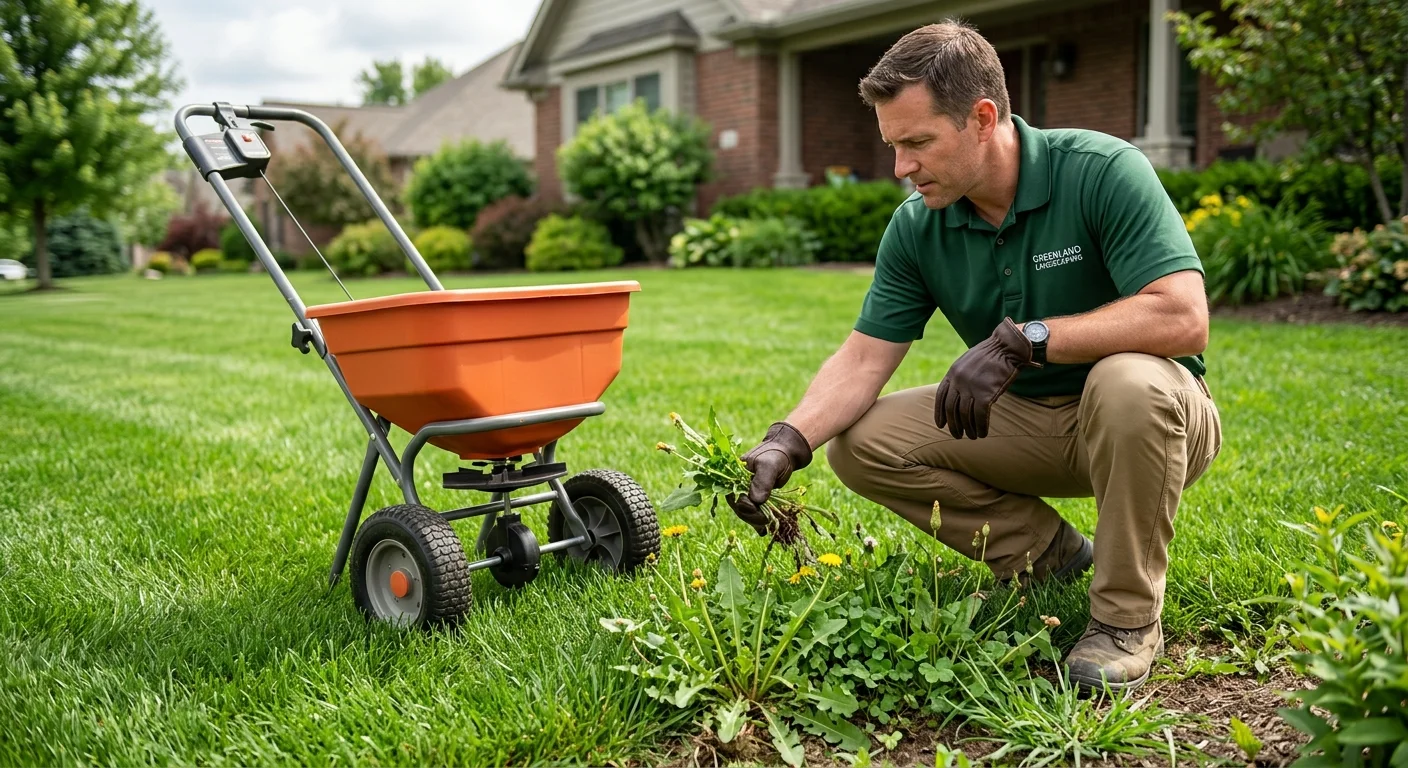
What weed and feed is meant to do
The phrase weed and feed describes a lawn product intended to combine weed control with fertilizer. That sounds convenient when weeds and weak-looking grass appear together. Convenience alone doesn’t show whether the combination fits your lawn.
Start by separating what you see from what you assume. Write down where the weeds appear. Note whether they cover most of the lawn or only several patches. Compare those areas with the rest of the turf. A yard with widespread weeds presents a different decision from one isolated strip near a sidewalk.
Next, read the entire label on the exact product. Don’t rely on a shelf sign, package color, or another product’s directions. Look for clear answers to four questions:
- Is your grass type named?
- Is the weed you want to address named?
- Does the label cover the lawn’s present condition?
- Can you follow every application and safety direction?
Bloom Pro SD’s verified claims ledger doesn’t establish a universal product, application rate, schedule, pet interval, or treatment method. Those details couldn’t be confirmed for every weed and feed product. The exact label and a qualified local professional must supply them.
A combined product also assumes the lawn needs both parts. That deserves a closer look. If weed control is the main concern, review weed control and prevention. If turf nutrition is the concern, start with lawn fertilization and care. Separate conversations often make the real problem easier to identify.
Why grass type and weed type change the choice
A treatment decision starts with identification. “Grass” and “weeds” aren’t specific enough. Record the turf type if you know it, then photograph the unwanted growth from several angles. Include the leaf, stem, growth pattern, and surrounding lawn.
Don’t guess based on one online photo. Similar-looking plants can lead to different label answers. If identification remains uncertain, the UC Master Gardener Program of San Diego County is a local starting point for gardening information. A lawn care contractor can also inspect the property before discussing treatment.
San Diego County needs a property-level decision. Coastal North County, inland North County, the central city, East County, and the South Bay shouldn’t be treated as interchangeable labels. Tell the contractor the exact community, lawn exposure, irrigation setup, and visible trouble spots. A yard in Encinitas shouldn’t inherit assumptions made about a lawn in El Cajon.
Map the problem before choosing anything. Mark dense patches, scattered plants, bare areas, and lawn edges. Note whether one weed shape dominates or several appear together. This doesn’t diagnose the lawn, but it gives a professional better intake information.
Then compare that information with the exact product label. Confirm that both the turf and target weed appear clearly in the directions. If either one is missing or unclear, don’t fill the gap with an assumption.
Our published guide to recurring weed-control problems can help organize what you’re seeing. It shouldn’t replace the product label or an on-site assessment. The goal is a treatment that matches the actual lawn, not a generic answer based on the word “weed.”
When separate treatments may make more sense
Separate decisions may make more sense when the weed problem and turf condition don’t overlap. One section may contain weeds while the rest looks even. Another lawn may need a fertilization discussion without needing property-wide weed treatment.
Begin with two plain questions. Where is lawn weed control being considered? Where is fertilizer being considered? Draw each area independently. If the maps don’t match, ask why one combined application would cover both.
Timing also needs two separate checks. Don’t assume the suitable timing for one part automatically fits the other. The verified claims ledger doesn’t provide a universal San Diego application calendar for combined products. It also doesn’t approve a fixed waiting period, temperature range, or watering sequence. Confirm those details from the exact label.
For the nutrition side, use our San Diego lawn fertilizer schedule as background for your contractor conversation. Then ask how its guidance relates to your grass and current lawn condition. Don’t copy a schedule onto a different property without checking that fit.
Separate treatment discussions can also clarify what isn’t being treated. Bare soil, sprinkler trouble, uneven coverage, and an unidentified plant each need their own answer. A combined bag doesn’t establish those answers.
This isn’t an argument against every weed and feed product. It’s a decision rule. Choose a combined approach only when the label, lawn condition, target weeds, and proposed treatment area agree. When they don’t, ask a professional to explain the separate options before authorizing work.
How irrigation and bare spots affect repeat weeds
A weed pattern near dry-looking, wet-looking, or bare areas deserves more investigation before another treatment. The pattern may point to an underlying site condition, but the cause can’t be confirmed from appearance alone.
Run a simple visual check without changing the system. Look for bare soil, puddling, runoff, damaged sprinkler heads, overspray, and areas that appear to receive uneven coverage. Record where each condition appears. Photos taken from the same position can help a contractor compare the lawn over time.
Don’t assign a cause before inspection. The Bloom Pro SD claims ledger doesn’t confirm that one irrigation defect, mowing choice, soil condition, or fertilizer issue caused your weeds. It also doesn’t support a promised treatment result. Ask the contractor to distinguish what they observed from what still needs confirmation.
Properties within the City of San Diego Public Utilities Department service area must follow the city’s permanent water-use restrictions. Potable-water irrigation is permitted only before 10:00 a.m. or after 6:00 p.m. Watering is also prohibited during and within 48 hours after measurable rainfall. These rules apply to that service area. Other San Diego County water agencies may have different requirements, so confirm the current rules with the agency serving your address.
Those restrictions don’t establish a product application schedule. The label still governs product-specific directions. Ask how the proposed treatment and irrigation plan can follow both sources without guessing.
Bare spots need their own plan as well. Ask whether the proposal addresses only visible weeds or also evaluates why turf coverage is missing. If weeds keep returning in the same mapped areas, bring those records to the next inspection instead of automatically repeating the previous choice.
What to ask a lawn care contractor before treatment
A good contractor conversation should produce specific answers tied to your property. Show the weed map, irrigation notes, product photo, and any previous treatment records you have. Then ask the contractor to explain what can be confirmed on site.
Use questions like these:
- What grass type do you believe this is?
- Which unwanted plants can you identify?
- Does the proposed label name this turf and these weeds?
- Why is a combined product appropriate here?
- Would separate weed control and fertilization fit better?
- Which areas would receive treatment?
- What label directions apply before and after treatment?
- What does the label say about people and pets?
- How does irrigation affect the proposed plan?
- What result isn’t possible to promise?
- Who confirms the product choice and application details?
- What will the contractor charge, and when is payment due?
Don’t accept a substitute product without repeating the label check. Product-specific directions, rates, restrictions, and safety language couldn’t be confirmed in the site’s approved claims ledger. The contractor should identify the exact product before you agree to treatment.
Confirm who will perform the work and who will answer follow-up questions. Bloom Pro SD is a referral service. We take your project details and match you with a licensed, independent local landscaping professional. You contract with and pay that professional directly.
You can check a California contractor through the official CSLB license lookup. Search using the information the contractor provides. Keep the proposed scope, product information, and price confirmation together so you know what was discussed before work begins.
When to call us
Call when weeds keep returning, the grass type is unclear, or irrigation and bare spots complicate the treatment choice. Call us at (760) 400-6355 and we’ll match you with a licensed local pro.