Organic lawn fertilizer isn’t automatically the better lawn choice. Synthetic fertilizer isn’t automatically wrong, either. Compare the exact products using your grass type, soil results, label directions, and property conditions.
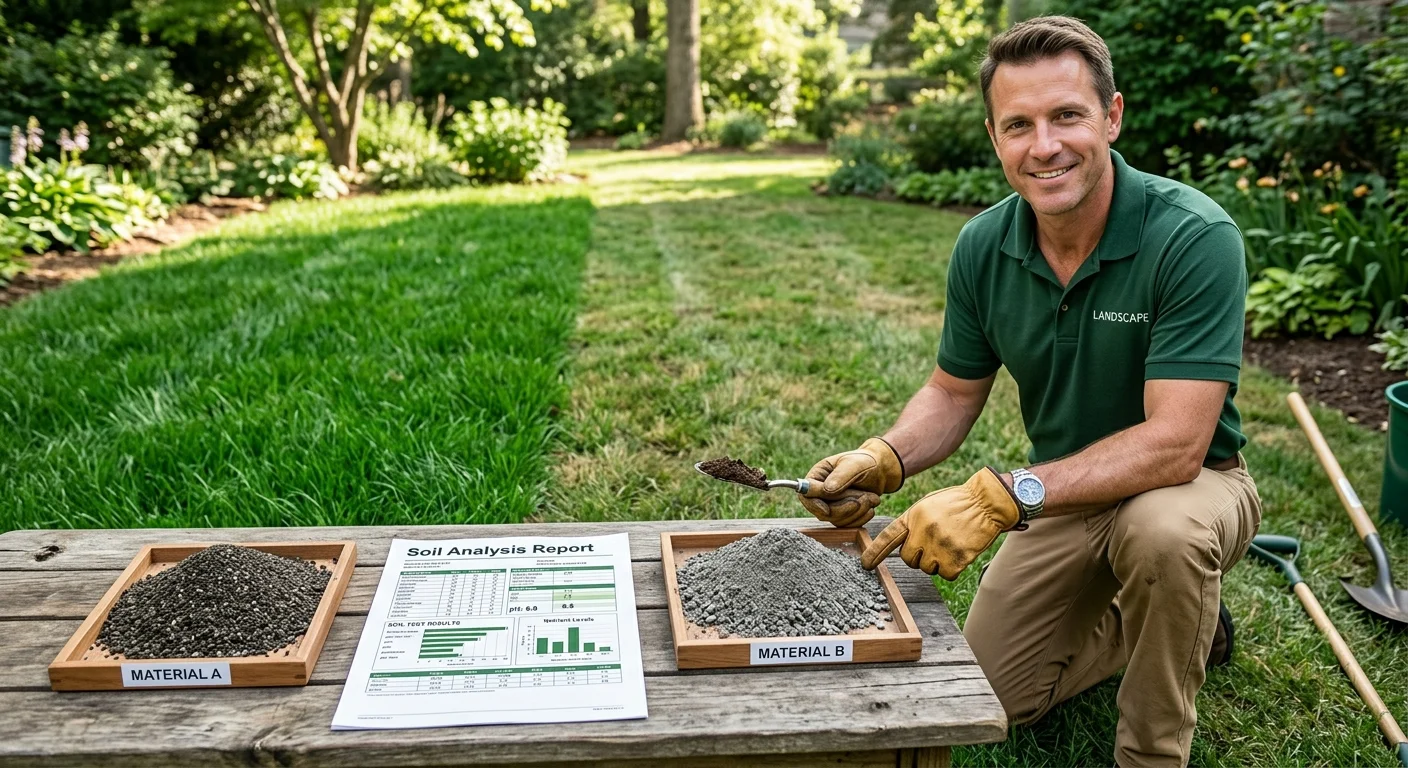
How organic and synthetic fertilizers differ
Organic and synthetic are broad product categories. Neither word provides a complete application plan. The exact product label matters more than assumptions about its category.
A universal winner couldn’t be confirmed. Neither could a blanket advantage for pets, soil, runoff, lawn safety, or overall performance. Treat broad claims on those subjects carefully.
Place the labels beside each other before choosing. Look for the nutrient analysis, listed ingredients, application directions, warnings, storage instructions, and stated release characteristics. Compare products intended for the same lawn area and grass type. If a label leaves something unclear, contact the manufacturer before applying it.
Don’t assume that “organic” means harmless around children or pets. Don’t assume that “synthetic” means stronger or more effective. Neither conclusion has been confirmed as a general rule. Follow the precautions printed for the specific product. Ask a veterinarian about pet exposure questions that the label doesn’t answer.
The best lawn fertilizer is the suitable product with understandable directions. You should know why it was selected and how it fits the lawn. A professional should also explain that choice without relying on vague terms.
Bloom Pro SD doesn’t sell or apply fertilizer. We connect homeowners with licensed, independent contractors who provide lawn fertilization and care. The homeowner chooses the contractor, approves the work, and pays that contractor directly.
Why grass type and soil results should guide the choice
Start with the lawn in front of you, not the bag. Write down the grass type if you know it. If you don’t, ask a contractor to identify it before discussing a product or schedule.
Next, review what can be observed without guessing. Note thin areas, discoloration, bare spots, recent sod work, irrigation coverage, slope, shade, and past applications. Keep the original product labels when possible. That record helps separate known details from assumptions.
A soil report can make the conversation more specific. It gives you actual results to discuss with the testing service or contractor. Our guide explains when a lawn may need a soil test before another product decision. Ask what each reported value means for your grass. Don’t create an application rate from an unexplained result.
Color alone doesn’t prove that a lawn needs fertilizer. Review other possibilities before adding another product. This guide to causes of brown lawn patches can help organize that inspection.
San Diego County also needs property-specific planning. A yard in coastal Encinitas shouldn’t receive a copied plan from an inland El Cajon property. Don’t assume a neighborhood fertilizer rate.
Within the City of San Diego Public Utilities service area, potable-water irrigation is allowed only before 10 a.m. or after 6 p.m. Watering is also prohibited during measurable rain and for 48 hours afterward. Other water agencies may have different rules. Confirm the current requirements for the agency serving your address.
What slow and fast nutrient release mean
Slow and fast release describe timing, but the category name doesn’t settle that timing. Don’t assume every organic product is slow or every synthetic product is fast. Confirm the release timing on the specific product label.
Read the selected product’s label instead. Look for the manufacturer’s description of nutrient release. Then check how that description connects with its application directions. If the timing language isn’t clear, ask the manufacturer or contractor to explain it.
A useful comparison should answer several points:
- What exact product is being considered?
- How does its label describe nutrient release?
- Which grass type does the contractor believe is present?
- What soil result supports the selection?
- What application directions apply to this property?
- What irrigation step does the label call for?
- What precautions apply to people and pets?
Fast isn’t automatically better. Slow isn’t automatically safer. Those judgments require details that a category name can’t provide. The product, lawn, soil information, and printed directions must make sense together.
Season also belongs in the discussion. Our San Diego lawn fertilizer schedule guide provides timing context for local planning. It doesn’t replace the selected product’s label or a property-specific assessment.
We don’t publish a universal fertilizer rate here because one couldn’t be confirmed. The correct quantity and timing must come from the applicable label and confirmed lawn details. If a proposed plan can’t be traced to those sources, pause before approving it.
How application mistakes can damage a lawn
A universal fertilizer dose, lawn-injury threshold, pet reentry period, or runoff comparison couldn’t be confirmed. Those details can’t be supplied from memory. Use the exact product label, and contact its manufacturer when a direction is unclear.
Category shortcuts create avoidable uncertainty. Don’t add more because the lawn looks pale. Don’t combine products unless their instructions clearly support that use. Don’t copy a neighbor’s quantity or schedule. Their grass, soil results, irrigation, and product may differ.
Before an application, create a simple record. Photograph the package and label. Note the product name, the area being treated, and the contractor’s instructions. Ask how the area was measured. Confirm which spreader or application method matches the label.
Check irrigation separately. Within the City of San Diego Public Utilities service area, potable-water irrigation can’t cause runoff onto neighboring property, walkways, roads, parking areas, or structures. That rule applies only within that service area. Homeowners elsewhere should check their own water agency’s current requirements.
If the lawn changes unexpectedly after treatment, don’t apply another guessed dose. Save the package and your application record. Photograph the affected area, then contact the manufacturer or a qualified lawn care professional. For a possible pet exposure, follow the label and contact a veterinarian.
Neither fertilizer category has been confirmed as universally pet-safe or environmentally safe. Ask about the exact product instead. Specific answers are more useful than category promises.
What to ask before hiring a lawn care contractor
A good hiring conversation starts with diagnosis. Ask the contractor to identify the grass and explain whether a soil test is needed. Then ask for the exact product name before approving an application.
Useful questions include:
- What lawn condition are you trying to address?
- What observations or soil results support that diagnosis?
- Why does this product fit this grass type?
- How does its label describe nutrient release?
- How will the treatment area be measured?
- Which label directions control the application?
- What precautions apply to children and pets?
- How should irrigation be handled afterward?
- What should I record for a later application?
- Who should I contact if the result looks unexpected?
Avoid accepting “organic” or “synthetic” as the entire explanation. The contractor should connect the product choice to the actual lawn. They should also identify any assumptions that haven’t been confirmed.
Bloom Pro SD is a referral service. We answer the line, collect the project details, and match homeowners with licensed, independent local landscaping professionals. We don’t inspect lawns, choose products, apply fertilizer, set contractor prices, or provide warranties.
You can check a contractor through the official California Contractors State License Board lookup. The contractor should confirm the proposed work and price before anything begins. You contract with and pay that professional directly.
When contacting us, share the grass type if known. Mention soil results, irrigation concerns, recent applications, pets, slopes, and visible problem areas. Better intake details help us find a suitable local professional.
When to call us
Call when product labels conflict, the grass type is unknown, or lawn symptoms need a professional assessment. A licensed local landscaping pro can review the property and explain the proposed product before you approve the work.
Call us at (760) 400-6355 and we’ll match you with a licensed local pro.