Search “yard cleanup services near me” and the results all promise a clean yard, but they rarely say what that means. Some homeowners expect every weed pulled and every branch hauled off. Others just want the lawn mowed and the walkway swept. The gap between those two expectations is where cleanups go wrong.
What belongs in a one-time yard cleanup
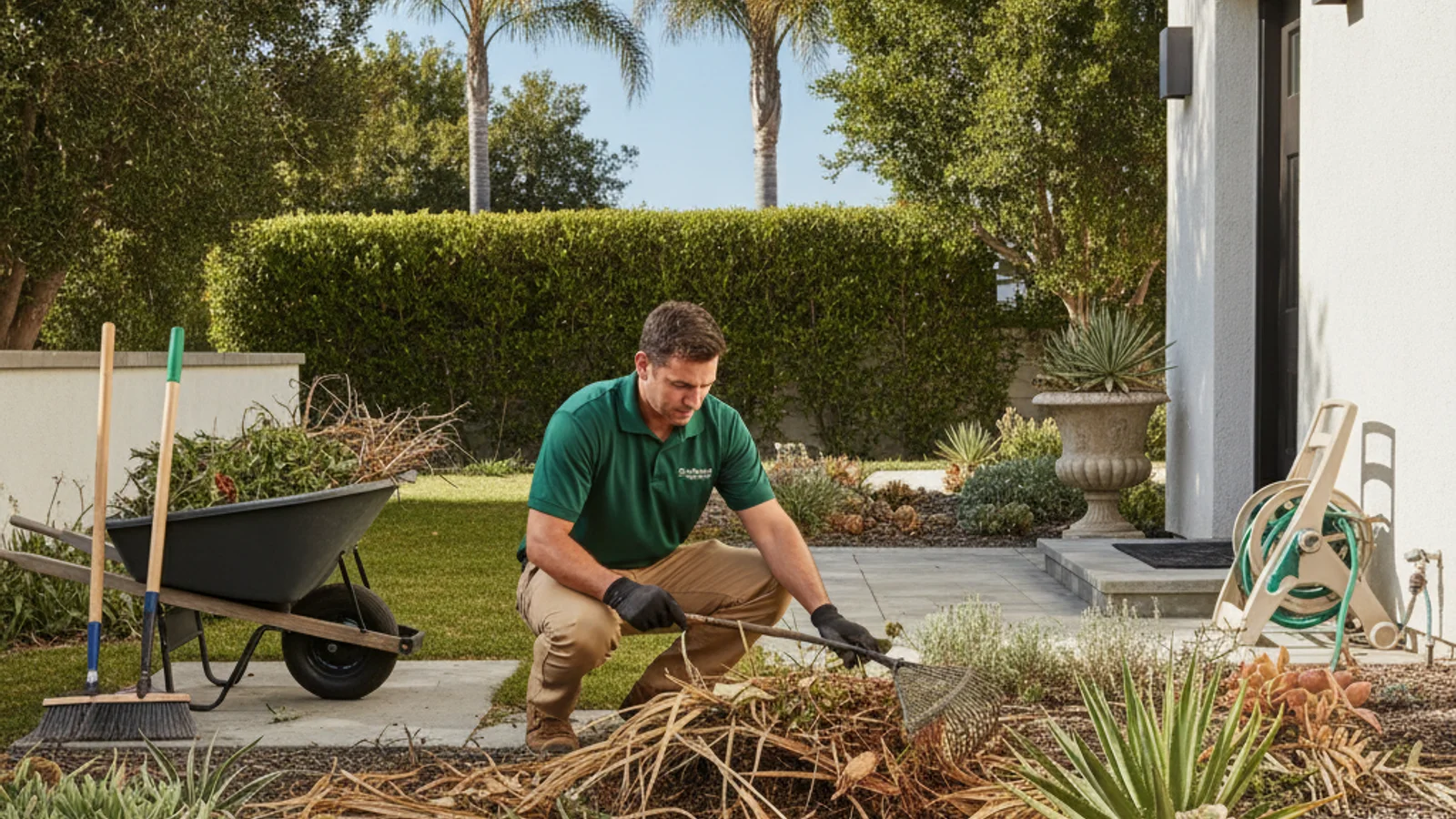
A one-time cleanup exists to reset a yard, not to maintain one. That distinction shapes what’s reasonable to expect from a single visit. A typical scope covers pulling weeds from beds, borders, and cracks in hardscape, cutting shrubs and hedges back to a manageable shape, and clearing fallen leaves, twigs, and small dead branches from the ground.
Beyond that, most cleanups include edging the lawn against walkways and driveways, tidying planting beds so mulch and soil are visible again, and a final blow-down of hard surfaces. Some contractors also fold in light dethatching or thinning of overcrowded groundcover if the property needs it.
None of that is fixed. A lot with mature trees needs different attention than a small front yard with a few beds. The independent seasonal cleanup crew you’re matched with should walk the property and confirm which of these tasks apply before quoting anything. Ask for that walkthrough in writing, not a verbal estimate over the phone.
It also helps to separate what’s visible from what’s structural. Trimming a hedge back into shape is a cleanup task. Diagnosing why the hedge grew unevenly, or why a bed keeps flooding, is a different conversation entirely. A cleanup crew can flag those issues, but fixing them usually means a separate service and a separate scope.
Front yards and backyards often need different treatment in the same visit. A front yard facing the street may need mostly cosmetic work, curb-facing edges, tidy beds, a clean walkway, while a fenced backyard that’s been ignored longer might need the bulk of the labor. Naming both areas separately in the initial conversation keeps the quote honest about where the hours actually go.
How cleanup differs from weekly maintenance
Weekly lawn service exists to hold a yard at a steady state. A cleanup exists to correct one that’s drifted from it. That’s the simplest way to tell the two apart when a listing uses both terms loosely.
A maintenance visit assumes the yard was in decent shape a week ago. It touches the same handful of tasks on a set rhythm: mow, edge, trim what the mower missed, clear clippings. A cleanup assumes the opposite. It’s built for beds that haven’t been touched in a season, hedges that have doubled in size, or a lot that came with a new purchase and an unknown history.
Our guide to overgrown yard cleanup in San Diego goes deeper into what pushes a yard from “needs tidying” into that heavier category, along with the timeline a bigger reset usually takes. If you’re not sure which bucket your property falls into, describe the current state rather than naming a service. A contractor can sort that faster than a listing can.
One more difference matters for planning: a cleanup is usually a flat scope for a single visit, while maintenance repeats on a schedule. Comparing a cleanup quote against a maintenance quote line by line rarely makes sense, since they’re pricing different jobs.
How slopes, access, and dense planting change the scope
Two yards of the same square footage can take very different amounts of labor. Slopes are the biggest factor. A hillside bed in Rancho Bernardo or a canyon-adjacent lot in Scripps Ranch takes longer to clear by hand than flat ground, and equipment that works on a flat lawn often can’t get up a grade at all.
Access matters just as much. A locked side gate, a narrow path between fences, or a yard reachable only through the house changes how a crew moves debris off the property. Flag any gate codes, dogs, or parking restrictions before the crew arrives, since working around them mid-job slows everything down.
Dense or overgrown planting beds add hand labor that a flat lawn doesn’t require. Thick groundcover, thorny shrubs, or beds packed with volunteer growth take longer to sort through than open dirt. For properties near open space or canyon edges, state fire rules on defensible space add another layer: in areas the state designates as high fire risk, property owners are required to maintain cleared space around structures, with the tightest clearance rules applying within the first several feet of any building. Those rules don’t apply the same way everywhere in the county, so ask the contractor whether your property falls inside that zone rather than assuming either way.
Which debris needs a separate contractor conversation
Most cleanup crews haul away what a cleanup normally produces: bagged leaves, cut brush, pulled weeds, and trimmed branches sized to load by hand. That’s the debris built into a standard scope.
Larger material tends to fall outside it. Downed trees, thick trunk sections, stumps, and full-size palm fronds from a mature tree often need heavier equipment or a separate haul-off arrangement. So does construction debris, old fencing, or anything left behind by a prior owner that isn’t plant material. If your property has any of that, mention it up front instead of letting the crew discover it on site.
Volume changes the conversation too. A property that’s been neglected for a year or more can generate far more green waste than a single truck run handles, and that reshapes both the cost and the timeline. Our yard cleanup cost breakdown for San Diego walks through how lot size and debris volume move the price, which is worth reading before you ask for a number.
Disposal method is also a fair question, not an assumption. Ask directly whether debris goes to a green waste facility, a landfill, or gets chipped on site, and whether that choice is already reflected in the quote.
Hazardous items sit further outside the scope than most homeowners expect. Old paint cans, treated lumber, fencing with embedded nails, or anything left in a shed by a previous owner isn’t standard yard debris, and a landscaping crew isn’t the right party to haul it. Set those items aside and ask the contractor directly what they will and won’t take before the crew starts loading a trailer.
Details that help us match you with the right crew
The clearer the intake, the better the match. Start with the basics: your city, approximate lot size, and whether this is a one-time reset or the start of a recurring plan. From there, describe the yard in plain terms rather than trying to name every task.
Useful details to have ready:
- Which areas are overgrown versus lightly neglected
- Any slopes, steps, or canyon-adjacent sections
- Gate locations, lock codes, or narrow access points
- Pets or children who use the yard regularly
- Large debris already on the property (fallen limbs, old materials)
- A deadline, such as an HOA notice or a closing date
- Whether green waste containers are available on site
Photos help more than a written description alone. A few wide shots of each problem area let the contractor scope the job more accurately before ever stepping on the property.
Bloom Pro SD doesn’t run the crews or set the price. We take those details and match you with a licensed, independent local landscaper who confirms the scope and cost with you directly before work begins. You’re welcome to verify any contractor’s standing yourself through the state’s CSLB license lookup before agreeing to anything.
When to call us
Call when a yard has gotten away from you, when you’ve inherited a property in unknown condition, or when you just need a clear scope before comparing quotes. Call us at (760) 400-6355 and we’ll match you with a licensed local pro.