Walk into almost any sod yard in San Diego County and ask for a lawn, and the first name you’ll hear is Marathon. Marathon I is the coarse, tough blend, Marathon II is the usual home pick, and Marathon III is the fine slow-growing dwarf. “Marathon” isn’t a species of grass. It’s a brand, it comes in those three blends, and it’s the thirstiest common lawn choice you can make in San Diego. Knowing which blend you’re actually buying saves you money and a lot of second-guessing later.
This guide breaks down what Marathon grass really is, how the three blends differ, and whether it’s the right pick for your yard given San Diego water rates. We’ll be straight with you about the trade-offs, because a lawn you regret isn’t a deal at any price.
What is Marathon grass, and why is it so common in San Diego?
Marathon is a brand of dwarf tall fescue sod grown in Oxnard and bred specifically for Southern California yards. It’s a cool-season grass, which is why it stays green all year in our mild coastal climate instead of going brown and dormant in winter like bermuda does. That year-round green is the whole reason it dominates San Diego lawns.
Because it’s a tall fescue, everything true of tall fescue in general is true of Marathon: it has a soft blade, it tolerates shade better than warm-season grasses, and it holds up to kids and dogs. The catch is water. Fescue is the highest-water lawn most homeowners here will consider, and Marathon is no exception.
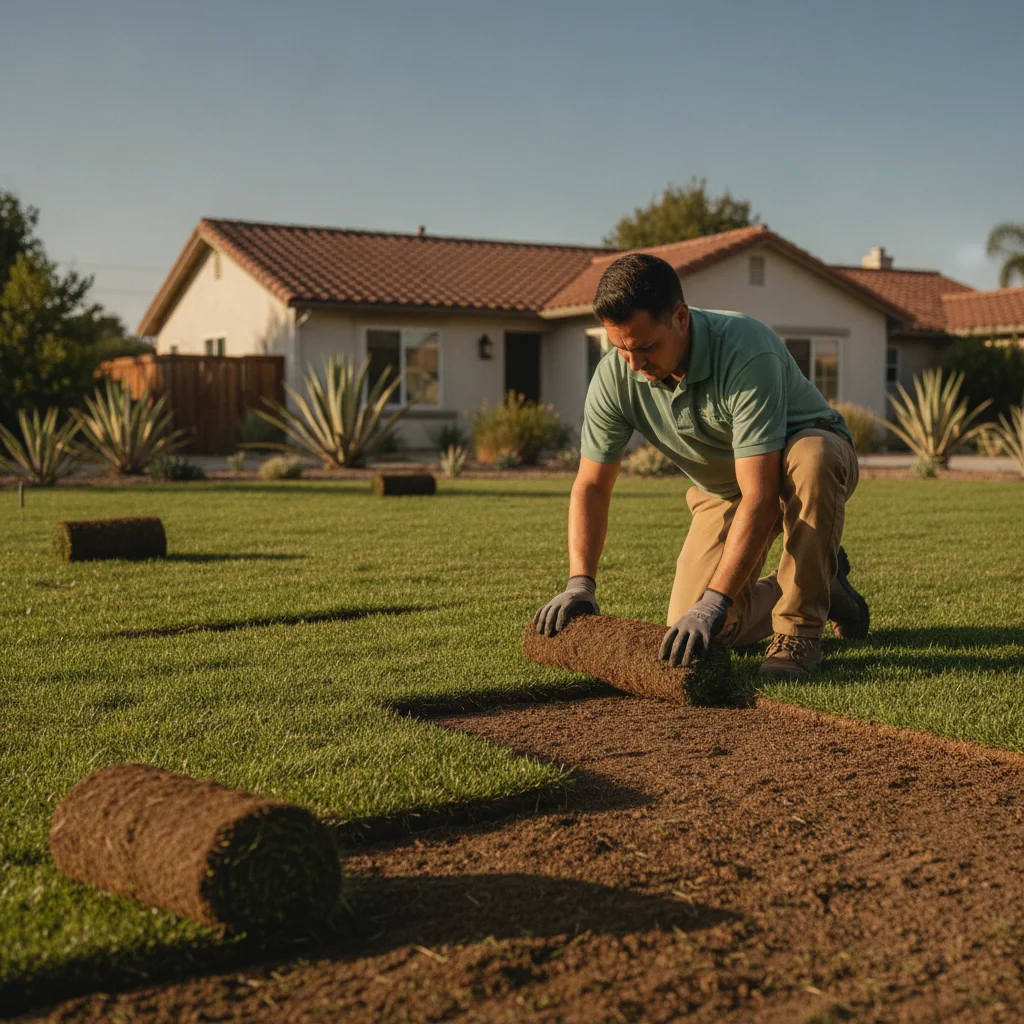
Marathon is sold mainly as sod, harvested in rolls and delivered on pallets. A pallet covers roughly 450 to 500 square feet. There’s also a Marathon seed sold in bags, but the sod is what gets installed in the vast majority of San Diego yards because it gives you an instant, weed-free lawn instead of a two-month wait.
How much does Marathon grass cost to install in San Diego?
Marathon sits at the premium end of fescue pricing because it’s a branded, farm-grown product. The sod pallet is the small part. The bill is mostly tearing out the old lawn, hauling it off, grading for drainage, and amending clay. Get a written bid for your lot. Dollar ranges by grass type live on the sod installation cost guide for San Diego.
Marathon I vs II vs III: which blend should you plant?
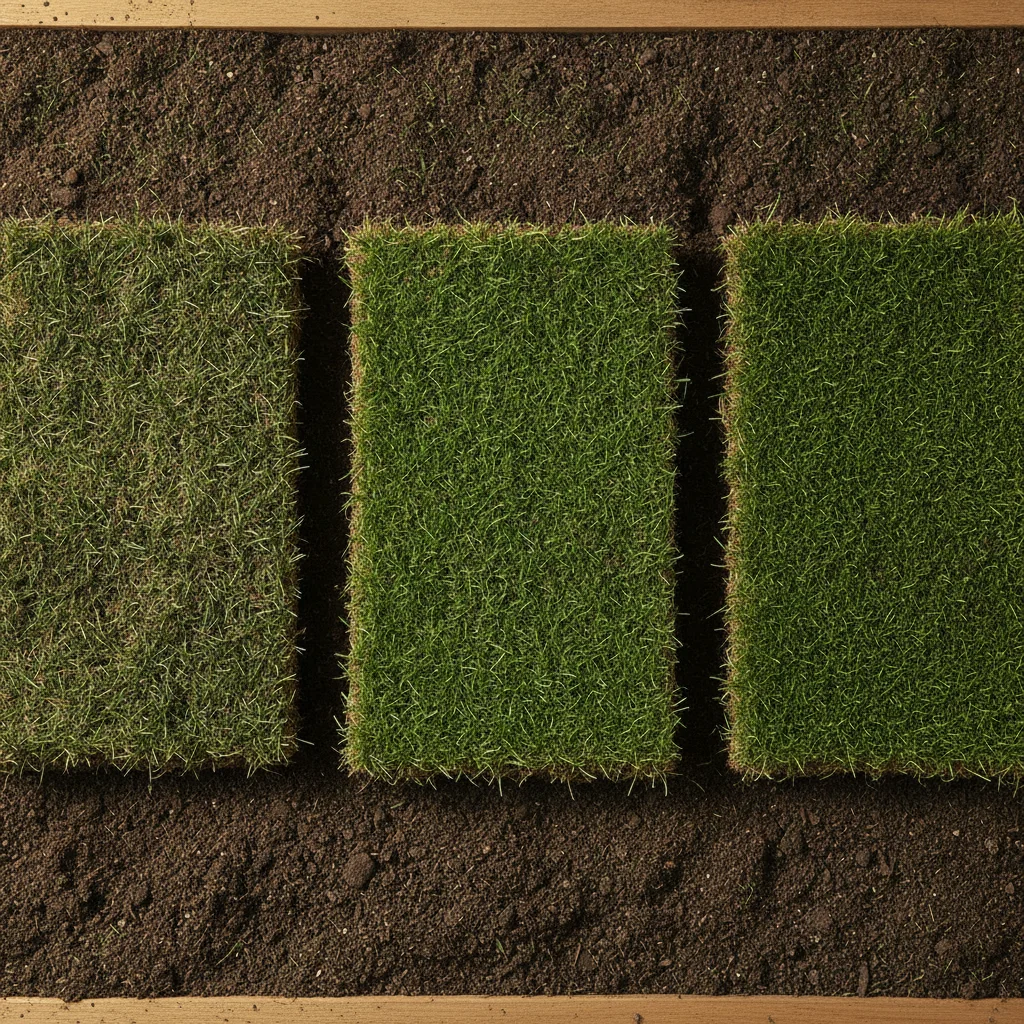
The three Marathon blends look similar on a pallet but behave differently once they’re your lawn. The main differences are blade fineness, density, and how fast they grow, which decides how often you mow.
Marathon I
Marathon I is the original and the most vigorous. It has the coarsest, widest blade of the three and the deepest root system, which makes it the toughest under heavy foot traffic. It’s the value pick and the one most contractors default to. If you have kids and dogs hammering the yard every day, this durability is worth more than a fine texture.
Marathon II
Marathon II is the middle option. It has a finer blade and a denser stand than Marathon I, so it reads as a more manicured lawn from the curb. It still handles normal family use well. Most homeowners who want a nicer look without paying top price land here.
Marathon III
Marathon III is the premium blend. It has the finest blade, the densest growth, and the best shade tolerance, and it’s a true dwarf fescue, meaning it grows more slowly and needs mowing less often. It gives you a soft, carpet-like lawn and the lowest mowing frequency, but it’s the most expensive and slightly less forgiving of hard use. It shines in polished front yards and shadier lots.
For most San Diego families, Marathon II is the sweet spot. Choose Marathon I if durability matters most, and Marathon III if you want the finest look and don’t mind the price. If you’re still weighing fescue against other grasses entirely, our guide to the best grass types for San Diego lawns compares all your options side by side.
How much water does Marathon grass use in San Diego?
Here’s the honest part. Marathon needs frequent watering to stay green, and in San Diego that adds up fast. A cool-season fescue lawn uses noticeably more water than warm-season bermuda or St. Augustine, and far more than a drought-tolerant yard. During a hot inland summer in Poway, Santee, or El Cajon, a Marathon lawn can be the single biggest line on your water bill.
That doesn’t make it a bad choice. It makes it a choice you should make with eyes open. If you want a soft, usable green lawn for a play area and you’re willing to pay to keep it alive, Marathon delivers. If your lawn is purely decorative and nobody sets foot on it, you’re paying premium water rates for something you could replace.
Before you commit, it’s worth running the math on what that lawn costs to run each year. Our breakdown of San Diego water rates and lawn economics shows what a thirsty lawn really costs over time, and our guide to San Diego turf rebates covers the money local water districts will pay you to remove grass instead. Those rebates fund removal, not new sod, so they only apply if you go the other direction.
How to care for Marathon grass in San Diego county
Marathon is not a low-maintenance grass, but the care is simple once you know the rhythm.
Watering
Water deeply and less often rather than a little every day. Deep watering pushes roots down, which builds a lawn that survives heat far better than shallow daily sprinkling. In summer, most Marathon lawns need water three to four times a week, adjusted for the marine layer near the coast and hotter, drier conditions inland. Our summer watering schedule for San Diego lawns gives you a starting cadence by region.
Mowing
Keep Marathon at about two and a half to three inches tall. Taller grass shades its own roots, holds moisture, and crowds out weeds, so mowing high is one of the easiest ways to cut your water use. Marathon III grows more slowly and can be mowed a touch lower. Our guide on how often to mow a San Diego lawn covers the seasonal timing.
Feeding and new sod
Feed a Marathon lawn roughly three to four times a year, weighted toward fall and spring when cool-season grass does most of its growing. A brand-new Marathon lawn needs extra attention for the first few weeks while the roots knit into the soil, so follow our new sod care and watering guide closely during that window. Get the first month right and the lawn rewards you for years.
Marathon grass vs artificial turf and drought-tolerant yards
If the water use gives you pause, you’re not alone, and you have real alternatives that give you a green yard without the weekly watering.
Artificial turf gives you the look of a Marathon lawn with almost no water and no mowing, at a higher upfront cost. A drought-tolerant yard of natives, succulents, and mulch cuts water use dramatically and can qualify for rebates. Neither feels quite like real grass underfoot, which is exactly why families with young kids often stick with Marathon anyway.
There’s no single right answer. It comes down to how you use the space and what you want to pay to keep it. Our comparison of artificial turf versus drought-tolerant landscaping lays out the trade-offs. For a lower-water yard, see drought-tolerant landscaping.
Frequently asked questions
Is Marathon grass good for San Diego?
Yes, for the right yard. Marathon is a dwarf tall fescue bred for Southern California. It stays green year-round and tolerates shade. The one real drawback is water use, so it fits homeowners who want a soft, usable lawn and accept the higher watering cost.
What is the difference between Marathon 1, 2, and 3?
The blends differ in blade fineness, density, and growth speed. Marathon I is the coarsest, toughest, and most affordable. Marathon II is finer and denser, a middle option. Marathon III is the finest, densest, and slowest-growing dwarf blend, giving the most manicured look and the least mowing at the highest price.
How much does Marathon sod cost per square foot in San Diego?
Material cost is the small part. Prep, access, and grass type drive the bid. See the sod installation cost guide for San Diego for current ranges, then get a written number for your lot.
Does Marathon grass use a lot of water?
Yes. As a cool-season fescue, Marathon uses more water than warm-season grasses like bermuda and far more than a drought-tolerant yard. In a hot inland summer it can be the largest single item on your water bill, which is why it’s worth comparing against lower-water options before you install.
Can you get Marathon grass as seed, or is it only sod?
Both exist, but sod is what nearly everyone installs in San Diego. Marathon sod gives you an instant, weed-free lawn the day it’s laid. Marathon seed is sold in bags, but seeding takes weeks to establish and works best in the mild fall and spring windows, so most homeowners choose sod.
When is the best time to install Marathon sod in San Diego?
Sod can be laid nearly year-round in our mild climate, but fall and spring are ideal because cooler weather is easier on new roots and reduces water stress during establishment. Our guide on when to install sod in San Diego covers the timing in detail.
When to call us
Marathon can make a beautiful lawn, but the result lives or dies on the prep work under it. Poor grading causes drainage problems, and skipping soil amendment on our clay leaves you with a lawn that struggles no matter how good the sod was. We match homeowners with licensed sod installers across all of San Diego County, and we’ll give you a straight recommendation on the right blend for your yard, or talk you out of a lawn altogether if a lower-water yard suits you better.
Call (760) 400-6355 to get matched, or start with sod installation.